
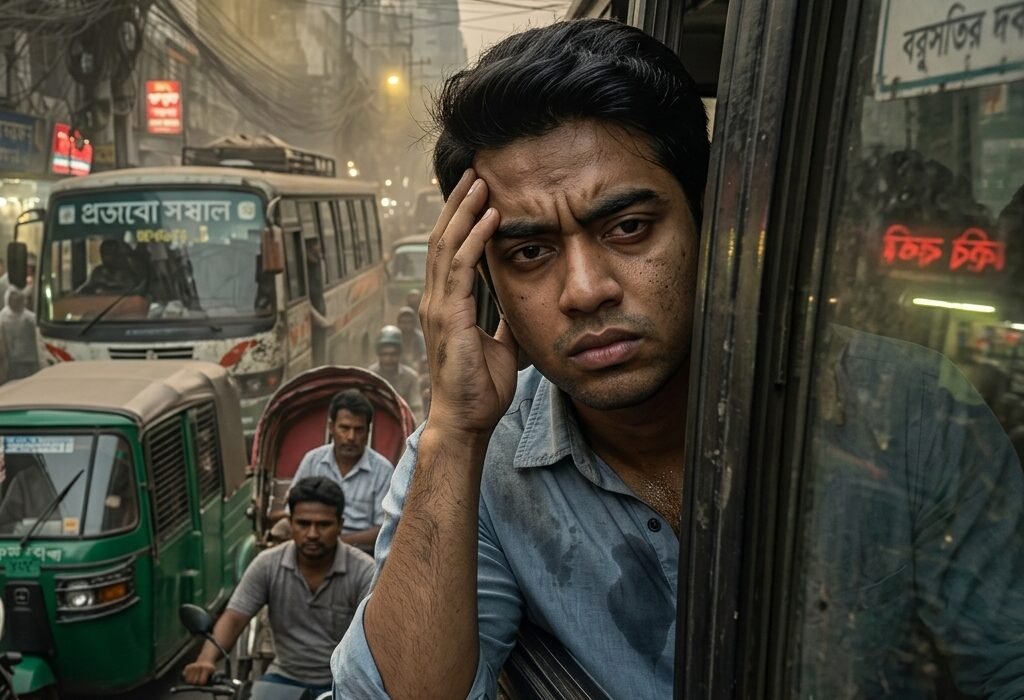
Psychological Counselling in Dhaka: Why Mental Health Support Matters
Posted in :

Psychological counselling in Dhaka is becoming increasingly important as people face growing work pressure, academic competition, financial responsibilities, relationship difficulties, traffic congestion, and other challenges of urban life. Dhaka is one of Bangladesh’s busiest and most densely populated cities. Every day, millions of people deal with work pressure, academic pressure, financial responsibilities, traffic congestion, relationship difficulties, family concerns, social expectations, and uncertainty about the future. With such a demanding lifestyle, it is understandable that many people experience stress, anxiety, emotional exhaustion, sleep difficulties, relationship problems, and other psychological challenges. However, one important question remains:
Are people in Dhaka giving enough attention to their mental health?
The answer is often no.
Psychological counselling should not only be considered when someone develops a severe mental health disorder. Counselling can also provide professional support when someone struggles with stress, emotions, relationships, life transitions, or difficulties in everyday functioning.
Mental Health Is a Growing Concern in Bangladesh
Mental health is already a significant public-health concern in Bangladesh. A nationwide mental health survey found that 18.7% of adults had a mental disorder, with prevalence estimated at 18.9% in urban areas and 18.7% in rural areas. The same research reported depressive disorders in 6.7% of adults and anxiety disorders in 4.7%.
The World Health Organization has also reported that the National Mental Health Survey found 16.8% of adults aged 18–99 years and 13.6% of children aged 7–17 years had mental health disorders. Importantly, approximately 92.3% of adults and 94.5% of children with mental disorders did not receive treatment.
These findings show that the problem is not simply the presence of mental health difficulties. A major concern is whether people are receiving appropriate support when they need it.
Why Is Life in Dhaka Psychologically Challenging?
Living in Dhaka can bring unique daily pressures. People may spend considerable time travelling through traffic, managing demanding jobs, studying in competitive environments, dealing with financial responsibilities, maintaining family relationships, and trying to meet social expectations. Over time, continuous exposure to different stressors can affect emotional well-being. This does not mean that living in Dhaka automatically causes mental illness. Rather, the combination of multiple pressures can make it important for individuals to pay attention to their psychological well-being.
Work Pressure and Career Stress
Dhaka is a major center for employment, education, business, and professional opportunities in Bangladesh. With these opportunities also come competition and pressure.
Employees may experience:
- Heavy workloads
- Long working hours
- Workplace conflicts
- Job insecurity
- Career uncertainty
- Performance pressure
- Difficulty maintaining work-life balance
- Financial responsibilities
When stress continues for a long period without adequate coping and support, it can affect a person’s mood, sleep, concentration, relationships, and overall functioning. Psychological counselling can provide a structured and confidential environment where a person can understand these difficulties and develop healthier ways of managing them.
Academic Pressure Among Students
Students in Dhaka also face considerable academic and social pressures. Examinations, admission competition, academic performance, parental expectations, career decisions, social relationships, and uncertainty about the future can all contribute to psychological stress. Research involving adolescents in the Dhaka region has found depressive symptoms and anxiety to be important concerns among young people. One study of adolescents in Dhaka and nearby semi-urban areas found that 36.6% reported depressive symptoms, while factors such as social-media use, high screen time, and sleep disturbance were associated with depressive symptoms.
This does not mean that every student experiencing stress has a mental disorder. However, it highlights why early mental-health awareness and appropriate psychological support are important for students and young people.
Traffic, Time Pressure and Daily Stress
Traffic congestion and long commuting times are another part of everyday life for many Dhaka residents. Spending significant time travelling between home, school, university, or work can contribute to frustration, fatigue, reduced personal time, and difficulty maintaining a healthy daily routine. When combined with workplace or academic pressure, family responsibilities, and insufficient rest, these everyday stressors can gradually affect a person’s emotional well-being.
Social Isolation Can Exist Even in a Crowded City
Dhaka is a densely populated city, but being surrounded by people does not necessarily mean that a person feels emotionally connected.
Some individuals may experience:
- Loneliness
- Lack of emotional support
- Relationship difficulties
- Family conflicts
- Difficulty communicating feelings
- Social pressure
- Feeling misunderstood
Research among young men living in a low-income urban community in Dhaka found significant psychological morbidity and highlighted the protective role of social connections and psychosocial support. This reminds us that social connection and psychological well-being are closely related.
Environmental Stress Can Also Affect Well-Being
Dhaka residents also live with environmental challenges, including air pollution. A recent study comparing Dhaka and Rajshahi examined the relationship between air pollution and mental-health outcomes. Among the study participants, reported symptoms of depression, anxiety, and stress were higher in Dhaka than in Rajshahi. However, because this was a cross-sectional study, the findings should not be interpreted as proving that air pollution alone caused these mental-health problems. This is another example of why mental health should be understood through multiple factors rather than one single cause.
Why Psychological Counselling Can Help
Psychological counselling gives individuals an opportunity to talk about their concerns with a trained professional in a structured and confidential environment.
Counselling may help people:
- Understand their thoughts and emotions
- Manage stress and anxiety
- Improve emotional regulation
- Develop healthier coping strategies
- Work through relationship difficulties
- Process difficult life experiences
- Improve communication
- Address behavioral concerns
- Develop better problem-solving skills
- Improve overall psychological well-being
Counselling is not only for people with severe mental health disorders. It can also be useful for people experiencing mild or moderate psychological difficulties or challenging life circumstances.
When Should You Consider Psychological Counselling in Dhaka?
You may consider speaking with a qualified mental-health professional if you are experiencing persistent:
- Stress or emotional exhaustion
- Anxiety or excessive worrying
- Low mood or loss of motivation
- Sleep difficulties
- Anger or difficulty controlling emotions
- Relationship or family problems
- Academic or work-related difficulties
- Trauma-related difficulties
- Problems concentrating or functioning normally
- Other psychological or emotional concerns
A psychologist, clinical psychologist, psychotherapist, counsellor, or psychiatrist can help determine what type of professional support may be appropriate.
Mental Health Checkups Should Become Normal
People regularly visit doctors for physical health concerns. Mental health deserves similar attention. A person does not have to wait until their problems become severe before seeking professional support. Building awareness, recognizing early warning signs, learning healthy coping strategies, and seeking appropriate professional help can all contribute to better mental well-being.
For a rapidly developing city like Dhaka, making psychological support more accessible and socially acceptable is an important part of improving overall health.
Building a Mentally Healthier Dhaka
Dhaka needs not only hospitals and physical healthcare facilities but also accessible and trusted mental health services. People should be able to seek psychological counselling without unnecessary shame or stigma. Students, professionals, parents, business owners, homemakers, and other members of society can all experience psychological difficulties. Mental health is not a weakness, and seeking counselling does not mean that a person is “crazy.”
Taking care of your mental health is a responsible part of taking care of yourself.
At Sukoon Healthcare, we aim to provide professional mental health support through counselling, psychotherapy, psychosocial support, and related services. Our goal is to help individuals better understand their psychological and emotional challenges and work toward healthier and more balanced lives.
References:
- World Health Organization (WHO) Bangladesh, National Mental Health Survey findings. The survey reported 16.8% prevalence among adults and a major treatment gap.
- WHO Bangladesh, Mental Health Special Initiative / country analysis. Reports the 2019 adult prevalence as 18.7%, with 18.9% in urban areas and 18.7% in rural areas.
- Nationwide community survey of psychiatric disorders in Bangladesh. The peer-reviewed study examined 7,270 adults and reported 18.7% overall prevalence, including depressive and anxiety disorders.
- Investigating depressive symptoms among urban and semi-urban school adolescents in the Dhaka region. The study reported 36.6% depressive symptoms among its adolescent sample and examined associations with screen time, social media, and sleep disturbance.
- Social network analysis of psychological morbidity in an urban slum of Dhaka. The study examined 824 young men and highlighted the relationship between social connections and psychological well-being.
- Impact of air pollution on mental health in Bangladesh: Dhaka and Rajshahi comparison. A recent cross-sectional study examined depression, anxiety, and stress in the two cities.